
Air Source Heat Pumps: An Eco-Friendly Heating and Cooling System
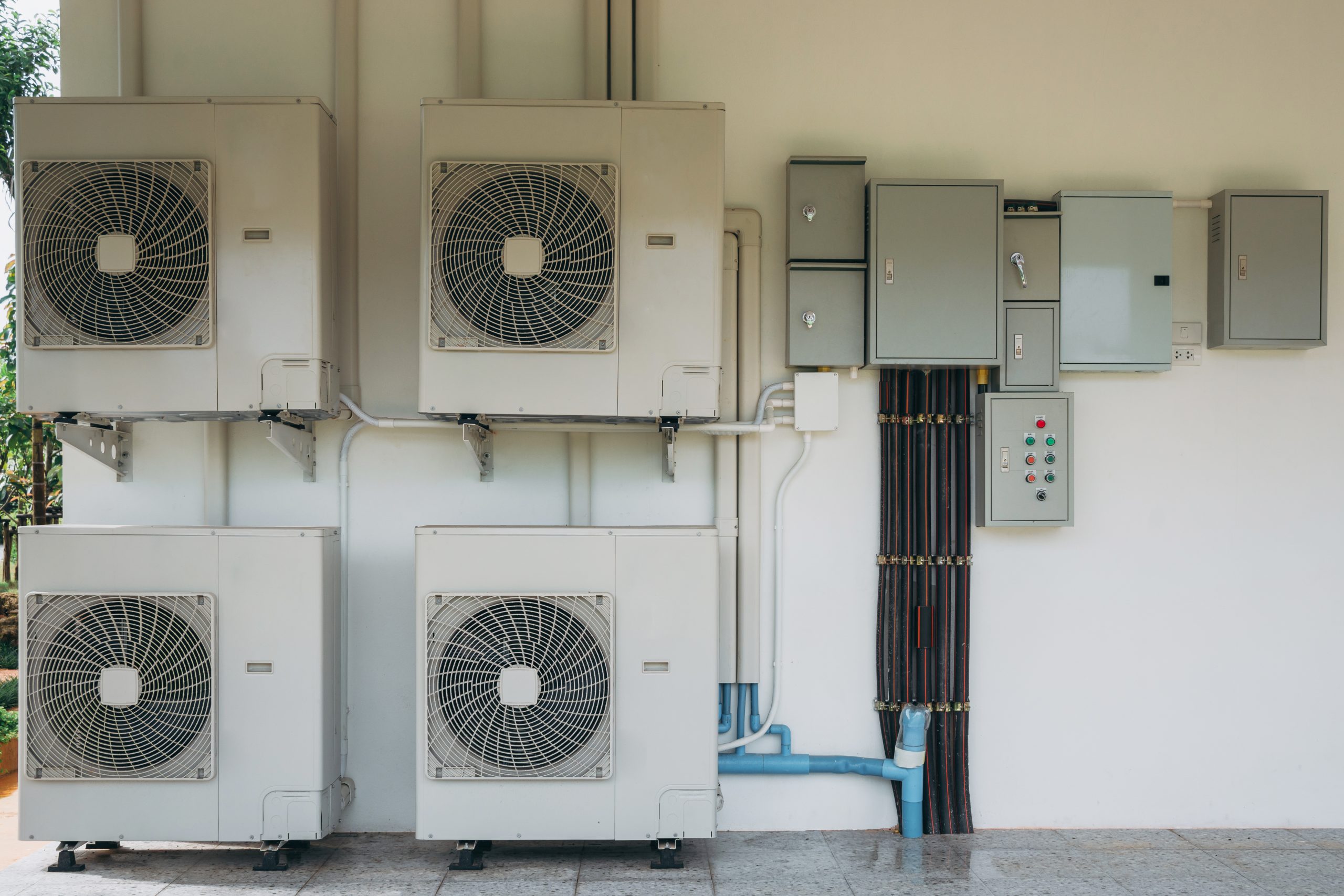
As more homeowners and businesses seek eco-friendly, energy-efficient ways to maintain comfortable indoor climates, air source heat pumps (ASHPs) are increasingly becoming a popular choice. This blog post will cover what air source heat pumps are, how they work, their benefits, potential drawbacks, and some key considerations when deciding if they’re right for your space.
What is an Air Source Heat Pump?
An air source heat pump is a system that transfers heat from the outside air to heat or cool a building. Unlike traditional HVAC systems that generate heat by burning fuel or using high amounts of electricity, ASHPs use a refrigeration cycle that moves heat from one place to another. They’re similar to refrigerators but work in both directions: in the winter, they pull heat from the outside air into your home, and in the summer, they expel heat from inside your home to cool it.
How Does an Air Source Heat Pump Work?
The process by which an ASHP works is called “heat exchange.” Here’s a simple breakdown:
- Evaporation: The pump absorbs heat from the outdoor air into a liquid refrigerant. Even cold outdoor air contains heat energy, and the refrigerant has properties that allow it to absorb this energy at low temperatures.
- Compression: The refrigerant is compressed, raising its temperature significantly.
- Condensation: The heated refrigerant transfers its heat to indoor air via a heat exchanger, warming the room.
- Expansion: The refrigerant is then expanded back to a lower temperature, and the cycle begins again.
Because the ASHP doesn’t generate heat, it’s a much more energy-efficient way of heating or cooling spaces, using up to three times less energy than electric resistance heating.
Types of Air Source Heat Pumps
There are two main types of air source heat pumps:
- Air-to-Air Heat Pumps: These systems transfer heat directly into indoor air through ductwork or ductless units.
- Air-to-Water Heat Pumps: These heat water, which is then circulated through radiators, underfloor heating, or even in a hot water storage tank.
Each type has its advantages depending on the specific application and existing infrastructure of a home or building.
Benefits of Air Source Heat Pumps
-
Energy Efficiency: ASHPs can provide up to three times more heat energy than the electrical energy they consume. This high efficiency results in lower energy bills.
-
Eco-Friendly: Since ASHPs primarily use heat from the air, they reduce reliance on fossil fuels, lowering greenhouse gas emissions. This makes them a good option for homeowners aiming to reduce their carbon footprint.
-
Versatility: ASHPs can both heat and cool a building, eliminating the need for separate HVAC systems.
-
Cost Savings: Though the initial investment can be high, ASHPs often save money over time due to lower operating costs. Additionally, many governments offer tax credits or rebates for renewable heating systems like ASHPs, reducing the financial barrier to entry.
-
Low Maintenance: Once installed, air source heat pumps require minimal maintenance compared to more complex heating and cooling systems.
Drawbacks of Air Source Heat Pumps
-
Performance in Cold Climates: ASHPs are most efficient in moderate climates, where outdoor temperatures don’t fall extremely low. In colder climates, their performance can drop, and supplemental heating might be necessary, although newer models are improving in this regard.
-
High Initial Cost: Installation costs can be high, especially if modifications to a home or building are necessary. The unit itself and any adjustments to existing ductwork or piping add to the initial cost.
-
Noise: Some ASHPs, especially older models, can be noisy when operating. Modern units, however, are generally quieter due to design improvements.
-
Aesthetic Impact: ASHPs require an outdoor unit, which may impact the exterior look of a property. Additionally, the installation of indoor units for ductless systems can affect interior aesthetics.
Key Considerations When Choosing an Air Source Heat Pump
If you’re considering an ASHP, here are a few things to keep in mind:
-
Climate Compatibility: ASHPs work best in regions with moderate winters. If you live in an area with freezing temperatures, look for models designed for colder climates or consider a hybrid system that combines an ASHP with a secondary heating source.
-
Building Insulation: ASHPs are most effective in well-insulated buildings. Proper insulation reduces the overall heating and cooling load, ensuring that the ASHP operates efficiently.
-
System Sizing: An appropriately sized system is crucial for efficiency. An HVAC professional can help you select a unit that matches the needs of your space.
-
Installation and Maintenance: Proper installation is key for maximizing efficiency and lifespan. Ensure that a qualified technician installs and services your ASHP to keep it running smoothly.
-
Incentives and Rebates: Check for any government incentives or utility company rebates for installing renewable energy systems like ASHPs. These programs can significantly offset initial costs.
The Future of Air Source Heat Pumps
As the push for cleaner energy grows, air source heat pumps are becoming more advanced and efficient. With innovations in refrigerant technology and design improvements, newer ASHP models can function effectively even in colder climates. Their adoption is expected to increase globally, especially as more people prioritize reducing carbon emissions and energy costs.
Conclusion
Air source heat pumps represent an exciting, sustainable alternative to conventional heating and cooling systems. Although they may not be suitable for every home or climate, they offer numerous benefits for energy efficiency, cost savings, and environmental impact. For those looking to invest in greener, more cost-effective home heating and cooling, an air source heat pump could be the ideal choice.